From Dispensing to Clinical Practice - Navigating the Paradigm Shift in the United Kingdom’s Primary Care Pharmacy for Hong Kong’s Healthcare Evolution
LEE, Tommy Ka-Hoa; LO, Leo Kin-yipb; LEE, Marco Tsuna; LAW, Kitty Kit-Kia; CHEUNG, Gladys Daphnea; WAN, Eric Yuk-Faia,c; PATEL, Nileshd; HUGHES, Carmele; WONG, Ian Chi-Keia*
a Department of Pharmacology and Pharmacy, Li Ka Shing Faculty of Medicine, The University of Hong Kong, L02-56, 2/F, Laboratory Block, 21 Sassoon Road, Pokfulam, Hong Kong SAR, China
b PHARM+ St. James' Settlement Community Pharmacy, St. James’ Settlement, 9/F, 383 King’s Road, North Point, Hong Kong SAR, China
c Department of Family Medicine and Primary Care, Li Ka Shing Faculty of Medicine, The University of Hong Kong, 3/F, Ap Lei Chau Clinic, 161 Main Street, Ap Lei Chau, Hong Kong SAR, China
d Institute of Pharmaceutical Science, King’s College London, Waterloo Bridge Wing, Franklin Wilkins Building, Stamford Street, SE1 9NH, United Kingdom
e School of Pharmacy, Queen’s University Belfast, Medical Biology Centre, 97 Lisburn Road, Belfast, BT9 7BL, United Kingdom
(* Corresponding author)
Primary Care, Over-the Counter & Health
HKPharm J Volume 33, NO 2 May-Aug-2026 (2026-09-20): P.65
 Abstract
 Full Article
 Author's Information
 List of Reference
 Content
 Share
ABSTRACT
Hong Kong’s primary healthcare system faces mounting pressures from an ageing population and a rising chronic disease burden, necessitating a strategic pivot towards community-based care. Drawing from a three-week fellowship in the United Kingdom (UK) under the Primary Care Pharmacy Fellowship Scheme of the Jockey Club PHARM+ Community Medication Service Network Project — initiated and funded by The Hong Kong Jockey Club Charities Trust — this article examines the mature integration of community pharmacists into the UK National Health Service (NHS).
Observations demonstrate that transforming community pharmacies into effective clinical hubs requires addressing fundamental operational bottlenecks. High-volume technical workloads must be mitigated through enabling infrastructure, such as Original Pack Dispensing and hub-and-spoke systems, to liberate pharmacists for patient-facing care. Furthermore, commissioning structured clinical services such as minor ailment triage and structured medication reviews executed within multidisciplinary teams could substantially enhance patient access and relieve frontline general practice pressures.
While structural reforms require phased, context-specific exploration in Hong Kong, the underlying clinical competencies of the UK model offer an essential roadmap. Adopting collaborative chronic disease management protocols and patient-centered care enables community pharmacies to transition successfully from traditional dispensaries into vital, sustainable healthcare providers in primary healthcare.
INTRODUCTION
The landscape of primary healthcare in Hong Kong is at a historic crossroads. With the release of the Primary Healthcare Blueprint in 2022, the Hong Kong Special Administrative Region government has signaled a definitive shift towards a "prevention-centric" system, placing community-based care at the heart of the city’s health strategy [1]. Spearheaded by the rollout of District Health Centres (DHCs) and DHC Expresses (DHCEs) across all 18 districts, this systemic evolution presents an unprecedented opportunity to expand the scope and impact of community pharmacy. Within this ecosystem, community pharmacists are increasingly recognised as accessible, medication-expert professionals poised to expand their clinical footprint in synergy with these strategic initiatives.
BACKGROUND
As a catalyst of the professional transformation, the Jockey Club PHARM+ Community Medication Service Network Project (the Project) has driven local service innovation [2]. To complement this effort and expose Hong Kong pharmacists to advanced international models, The Primary Care Pharmacy Fellowship Scheme under Jockey Club PHARM+ Community Medication Service Network Project funded by The Hong Kong Jockey Club Charities Trust, was organised by the Department of Pharmacology and Pharmacy at The University of Hong Kong under the Project. The three-week fellowship in the United Kingdom (UK) was conducted in October 2025 in London and Belfast, coordinated by the King’s College London and the Queen’s University Belfast respectively. The UK fellowship focused on the mature integration of pharmacists into the UK National Health Service (NHS) framework, allowing fellows to immerse themselves in various advanced primary healthcare pharmacy models – from urban general practice to community-based clinical services.
Key highlights included:
- Clinical empowerment and advanced pharmacy practice in different primary healthcare facilities
- Operational efficiency and modern infrastructure of a community pharmacy that streamline high-volume dispensing services
- Professional competency and continuous education
By synthesising these observations, this article aims to provide a translational roadmap for Hong Kong, identifying evidence-based UK practices that can be adapted to maximise the clinical impact and sustainability of the community pharmacy.
THE NHS PHARMACY FRAMEWORK – A PILLAR OF INTEGRATED CARE
To appreciate the translational potential of the UK model, one must first understand the structural role of community pharmacy within the NHS. Unlike the diversified market-driven retail model often seen in Hong Kong, the UK community pharmacies strive to operate as an integrated, contracted extension of the public healthcare system.
Professional Governance: A Unified Standard of Safety
The community pharmacy models in England and Northern Ireland operate as public-private partnerships, where pharmacies function as independent contractors commissioned by the administrative regions to deliver essential healthcare. While England’s operations are governed by the Community Pharmacy Contractual Framework (CPCF), Northern Ireland follows a distinct commissioning plan negotiated between the Department of Health (Northern Ireland) and Community Pharmacy Northern Ireland (CPNI). Despite the separate administrative tracks, both administrative regions share a unified vision: transforming community pharmacy from a traditional dispensary into an accessible primary healthcare hub that alleviates burdens on healthcare systems.
Structural Integration: The Contracted Service Model
Community pharmacies are recognised as clinical service hubs rather than mere retail outlets. These contractual frameworks remunerate community pharmacies not only for dispensing services, but also a wide range of advanced clinical services [3]. In this system, almost all prescriptions, whether initiated by a general practitioner in a local clinic or subsequently prescribed by a general practitioner via a hospital discharge, are channeled through community pharmacies for dispensing.
This high-volume environment has necessitated a clear operational distinction between technical assembly of medications and face-to-face clinical consultations. While pharmacists are legally and professionally integrated into the patient’s care pathway, the system has evolved to support them with robust clinical governance and evolving digital infrastructure such as electronic prescription services and a targeted data-sharing system, though universal access to complete patient health records across different care settings remains a work in progress. This integration serves as a bedrock that allows UK community pharmacies to continuously evolve — a transition that Hong Kong is currently beginning to navigate.
THE ENABLING FACTORS FOR CLINICAL CARE IN COMMUNITY PHARMACY
The transformation in the UK is underpinned by a robust operational infrastructure. The innovations are the enabling factors that facilitate the strategic utilisation of pharmacists in providing more clinical services at the frontline of the pharmacy counter and in a consultation room (Figure 1). By streamlining and modernising routine dispensing workflows such as through electronic prescription routing and supportive technical staff, the system enables pharmacists to be released from administrative bottlenecks, allowing their specialised clinical expertise to be effectively utilised.
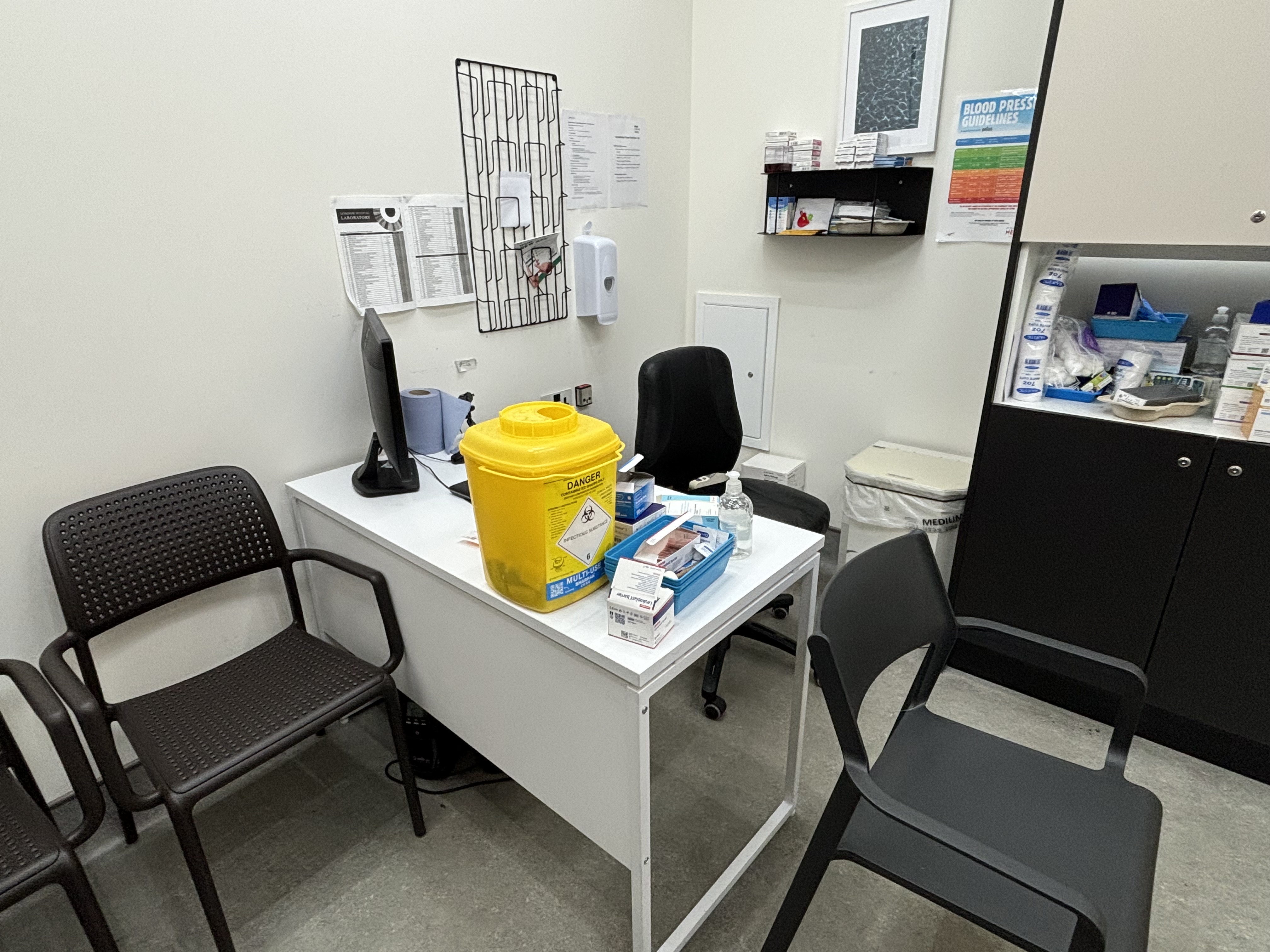 Figure 1. Consultation room in a community pharmacy which can support multiple clinical services.
Original Pack Dispensing
A striking operational difference in the UK is the near universal adoption of Original Pack Dispensing (OPD). Medications are dispensed in manufacturer-sealed, patient-ready packaging, complete with standardised quantities, community pharmacy system-generated medication label, and the original patient information leaflet [4]. This practice is supported by UK legal provisions allowing up to a 10% variance from prescribed quantities for most prescription-only medicines. This regulatory flexibility integrates seamlessly with robotic systems and maintains traceability from manufacturer to patient via intact batch numbers and expiry dates.
In Hong Kong, significant pharmacist time is consumed by cutting blister strips and repackaging medications into plastic pouches. Adopting OPD would enhance dispensing efficiency by reducing the ‘technical’ time per prescription, minimising contamination risks, and strengthening medication safety by ensuring patients receive full branding and instructions. More importantly, this operational shift is not merely a matter of convenience; it is a strategic prerequisite. By eliminating the manual burden of pill-counting and repackaging, pharmacists gain the operational capacity required to exercise advanced professional judgement, manage chronic disease pathways, and ensure continuity of patient care. This is a highly viable pathway for Hong Kong pharmacists to dedicate their intensive focus to patient-centered clinical care and chronic disease management.
Automated Dispensing System
The UK has moved beyond manual labor by leveraging automated dispensing systems to handle high-volume, repetitive dispensing tasks in community pharmacy. In some community pharmacies, automated medication cabinets and robotic dispensing arms are deployed to streamline the assembly of repeat prescriptions. By automating the mechanical sorting, counting, and labeling processes, pharmacies drastically reduce human error associated with repetitive manual tasks and accelerate transaction throughput during peak operational hours.
Hub and Spoke Model
The dispensing efficiency is further optimised through the Hub and Spoke model, where a centralised "Hub" pharmacy utilises large-scale automation to dispense prescriptions for multiple "Spoke" community pharmacies [3]. In this system, the “Hub” pharmacy handles the technical assembly, labeling, and accuracy checking of medications at scale (Figure 2), while the “Spoke” pharmacy receive these patient-ready orders for final distribution. Where implemented, centralising this technical workload transforms community pharmacies into clinical hubs, liberating pharmacists from the dispensary to focus on patient-facing services. While currently scaling up across major chain stores and progressive networks following recent regulatory expansions, wider adoption across the entire independent sector remains an ongoing transition.
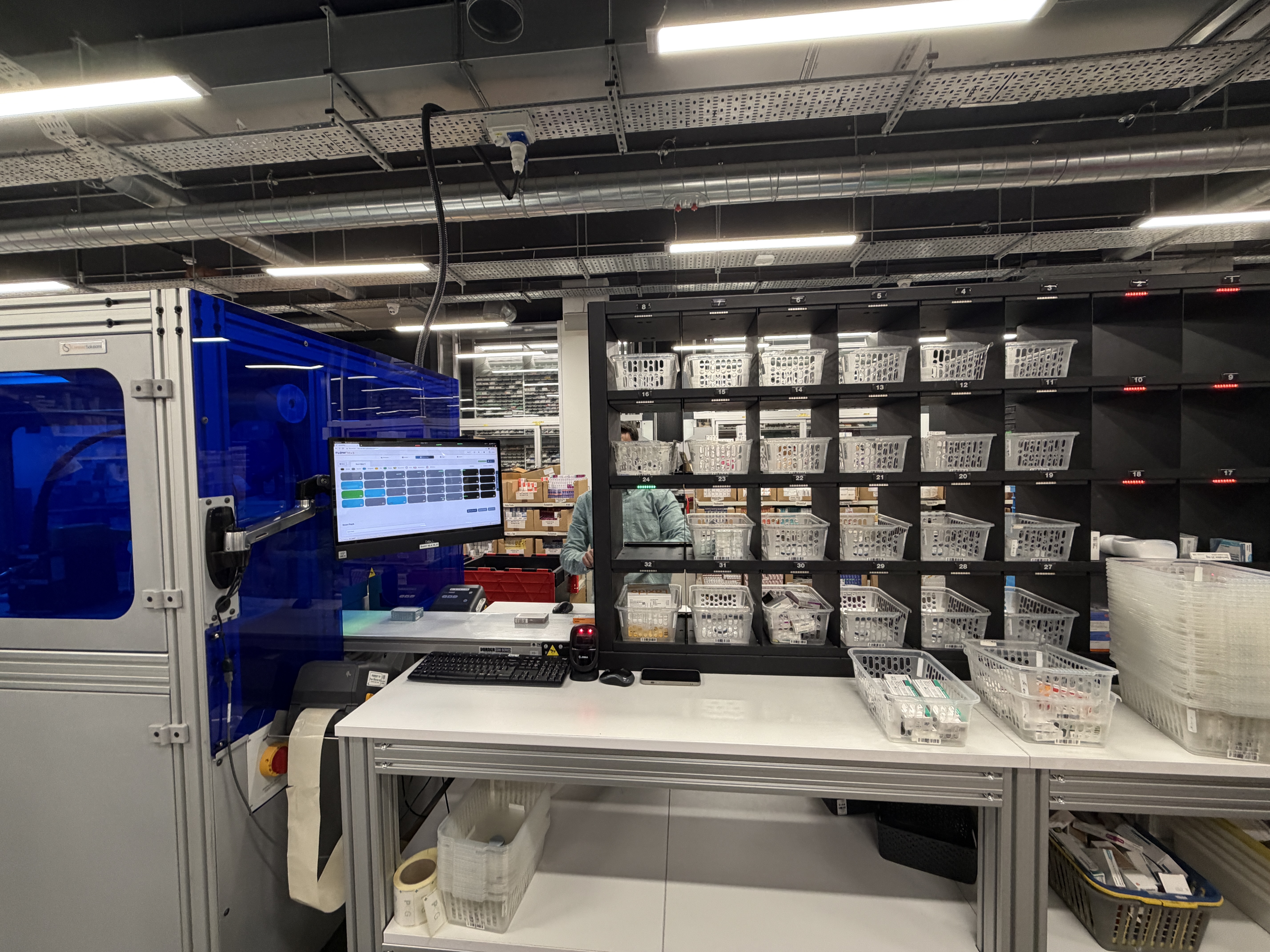
Figure 2. A 'Hub' community pharmacy integrated with one-stop dispensing system.
Digital Integration: Electronic Prescription Service
The clinical transformation of pharmacy practice is impossible without a digital infrastructure that ensures data integrity and reduces administrative friction. The UK demonstrates a tiered approach to this evolution, offering two distinct stages of digital maturity.
In Northern Ireland, where paper remains a component of the workflow, risk is mitigated through standardised printed prescriptions, unlike the handwritten prescription or diversified formats often encountered in Hong Kong which are prone to illegibility and transcription errors. A key feature is the integration of unique prescription identifiers and QR codes. By scanning these codes, pharmacy management systems can automatically populate patient profiles and synchronise directly with the robotic dispensing machine, where one is available. This eliminates manual data entry, drastically improving workflow efficiency and ensuring that the technical dispensing process is fueled by accurate, digital data.
England represents the next frontier: the Electronic Prescription Service (EPS) [6]. EPS allows prescribers to send prescriptions electronically to a community pharmacy nominated by the patient. This makes the prescribing and dispensing process more efficient and allows pharmacy to prepare medications in advance of the patient’s arrival.
Medication Delivery and 24/7 Automated Collection
As observed in one of the community pharmacies in Belfast, the implementation of external automated collection points of medications represents a significant evolution in pharmaceutical logistics. This automated machine allows patients to conveniently drop off their paper prescriptions and securely collect their dispensed medications via a secure, unique code at their convenience (Figure 3).
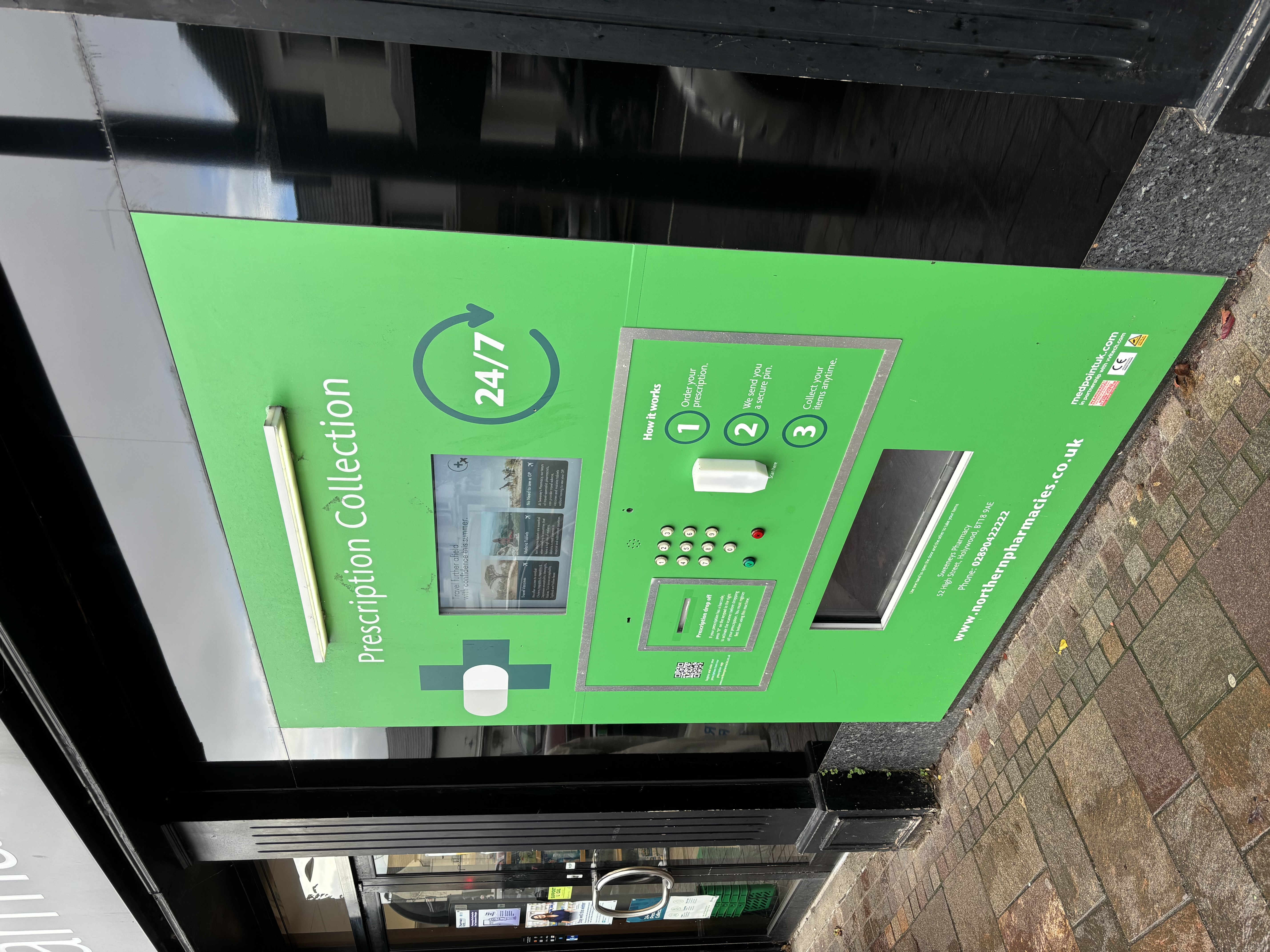 Figure 3. Prescription drop-off & collection point is available even when the pharmacy is closed.
Continuous Pharmacy Education (CPE)
Across the UK, professional practice and revalidation are governed by statutory regulators, specifically the General Pharmaceutical Council (GPhC) in Great Britain [7] and the Pharmaceutical Society of Northern Ireland (PSNI) for Northern Ireland [8]. Table 1 shows the continuing pharmacy education framework of different administrative regions.
Table 1.Comparison of different CPE models in Great Britain and Northern Ireland.
|
|
Great Britain |
Northern Ireland |
|
Regulatory Body |
GPhC |
PSNI |
|
Framework Type |
Revalidation model: Focus on continuous learning paired with peer review and portfolio reflection against professional standards |
Continuing professional development (CPD) framework: Focus on structured learning – reflection, planning, action and evaluation |
|
Key Requirement |
|
Submission of annual CDP portfolio:
|
Translating elements of the UK model to Hong Kong’s evolving continuous pharmacy education system, there are a few key insights:
- Shift from passive attendance to active reflection: Traditional CPE often relies on accumulating lecture credits. Adopting a proactive model that allows structured self-reflection and peer review ensures that education directly translates into safe, quality-assured clinical behaviors rather than just compliance.
- Workplace-based blended learning: In Northern Ireland, the Northern Ireland Centre for Pharmacy Learning & Development, which is a statutory educational body commissioned by the Department of Health (Northern Ireland) to develop and deliver a range of workforce development programmes and CPD opportunities, has launched an Enhanced Pharmacy Practice Programme. This integrates academic learning with clinical supervision from experienced practitioners to equip prescribing pharmacists with the skills, knowledge, experience and behaviours required for working at pre-advanced level [9]. Hong Kong can model similar mentorship structures to build frontline confidence in managing minor ailments and chronic disease.
STRATEGIC SYNTHESIS: OPTIMISING COMMUNITY PHARMACY PRACTICE IN HONG KONG
As Hong Kong embarks on the transformative initiative to shift dispensing from hospital into the community [10], the insights gained from the UK practice offer a valuable blueprint for operational excellence and risk mitigation.
Safety Always Come First
In the UK, the implementation of OPD was driven as much by a commitment to patient safety as by a drive for operational throughput. The traditional practice of manually cutting blister strips and repackaging introduces avoidable latent failures, including human error and potential environmental contamination. OPD is not merely convenient, but it is a foundational clinical governance standard. By institutionalising OPD, technical dispensing risks are significantly mitigated, thereby enabling the pharmacist’s final clinical validation to shift its focus from verification of pill counts to a rigorous evaluation of the therapy’s clinical appropriateness and patient-centered outcomes.
Modernisation and Sustainability
The Hub-and-Spoke model emerged in the UK because individual community pharmacies reached a saturation point where they could no longer sustain high-volume dispensing while simultaneously providing quality clinical consultations.
As Hong Kong embarks on the transformative initiative to shift dispensing from hospital into the community, the insights gained from the UK practice offer a valuable blueprint for operational excellence and risk mitigation.
THE FRONTIERS OF CLINICAL EMPOWERMENT
Pharmacy First: Collaborative Management of Common Conditions
Pharmacy First is a nationally commissioned NHS clinical service that redefines community pharmacies as the initial point of care for common, low-acuity conditions [11]. In conventional healthcare systems, patients presenting with minor ailments such as acute sinusitis, sore throats, acute otitis media, infected insect bites, impetigo, shingles, or uncomplicated urinary tract infections routinely burden general practitioner surgeries and emergency departments. Figure 4 and figure 5 illustrate the scope of services in England and Northern Ireland respectively. Under the Pharmacy First framework, participating community pharmacists conduct formal clinical assessments, utilise standardised clinical pathways, and supply necessary medications directly via Patient Group Directions.
Crucially, the success of Pharmacy First relies heavily on robust interprofessional collaboration rather than operating in isolation. The service is designed to incorporate structured electronic referral and communication pathways that connect community pharmacists with general practitioners. When a patient presents with "red flag" symptoms or requires escalation beyond the pharmacist's scope of practice, the system enables a direct, secure transfer of clinical notes and patient history back to the primary care team.
In practice, real-world implementation often encounters IT fragmentation. When a patient presents with "red flag" symptoms requiring escalation, pharmacists sometimes navigate these technological gaps using pragmatic workarounds such as secure NHS emails or direct telephone calls to ensure the safe and timely handover of clinical notes. Despite these transitional communication hurdles, this service formally embeds community pharmacy within the primary care referral loop, actively builds interprofessional collaboration, and lays the essential groundwork for a more fully integrated healthcare system.
By empowering community pharmacists to triage, assess, and manage a defined scope of minor conditions — supported by seamless interprofessional collaboration with medical practitioners — the healthcare system can optimise resource utilisation, foster genuine interprofessional teamwork, and establish community pharmacies as integral, accessible frontline triage hubs.
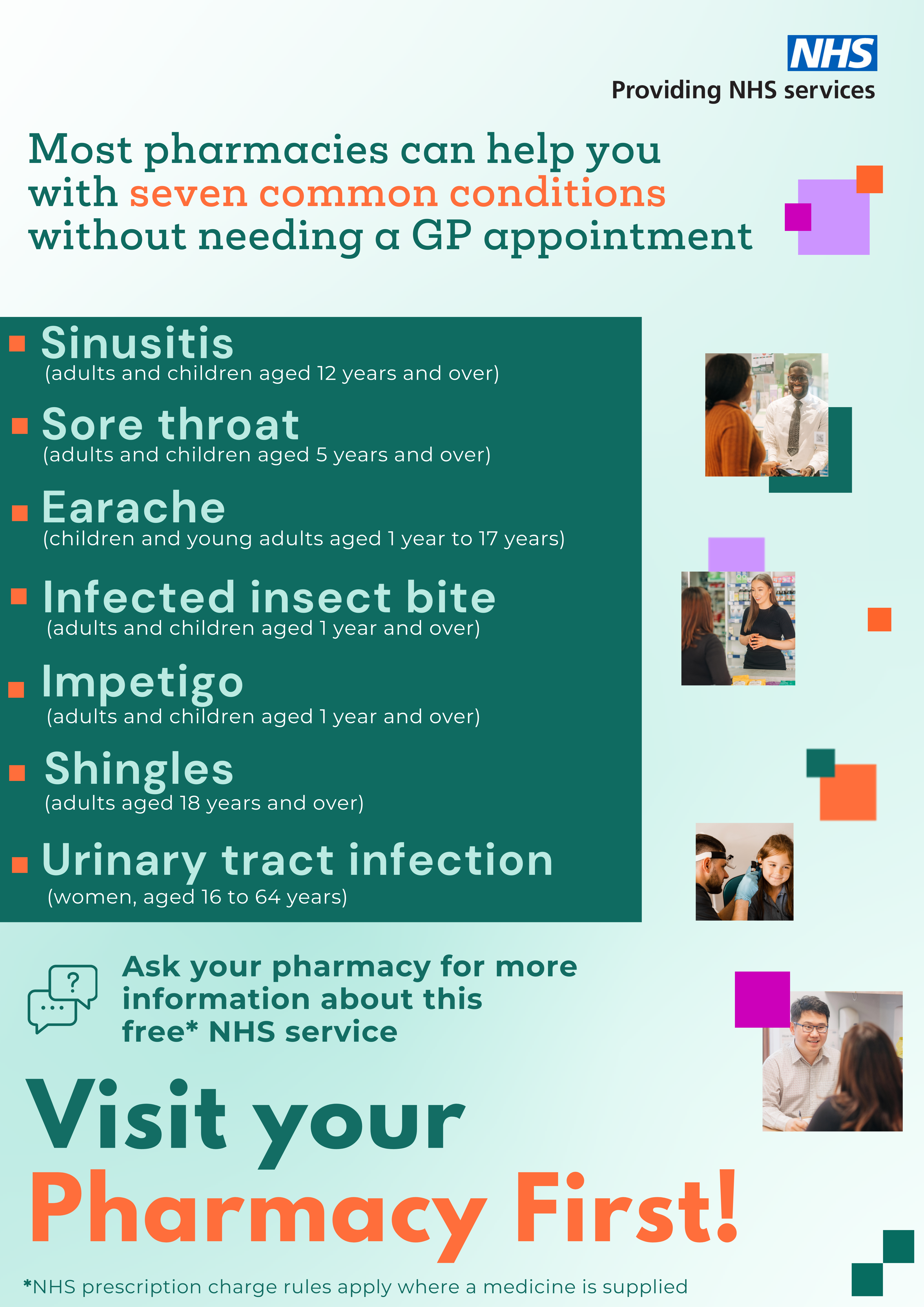
Figure 4. Scope of Pharmacy First in England. (Reprinted with permission from Community Pharmacy England) [11]
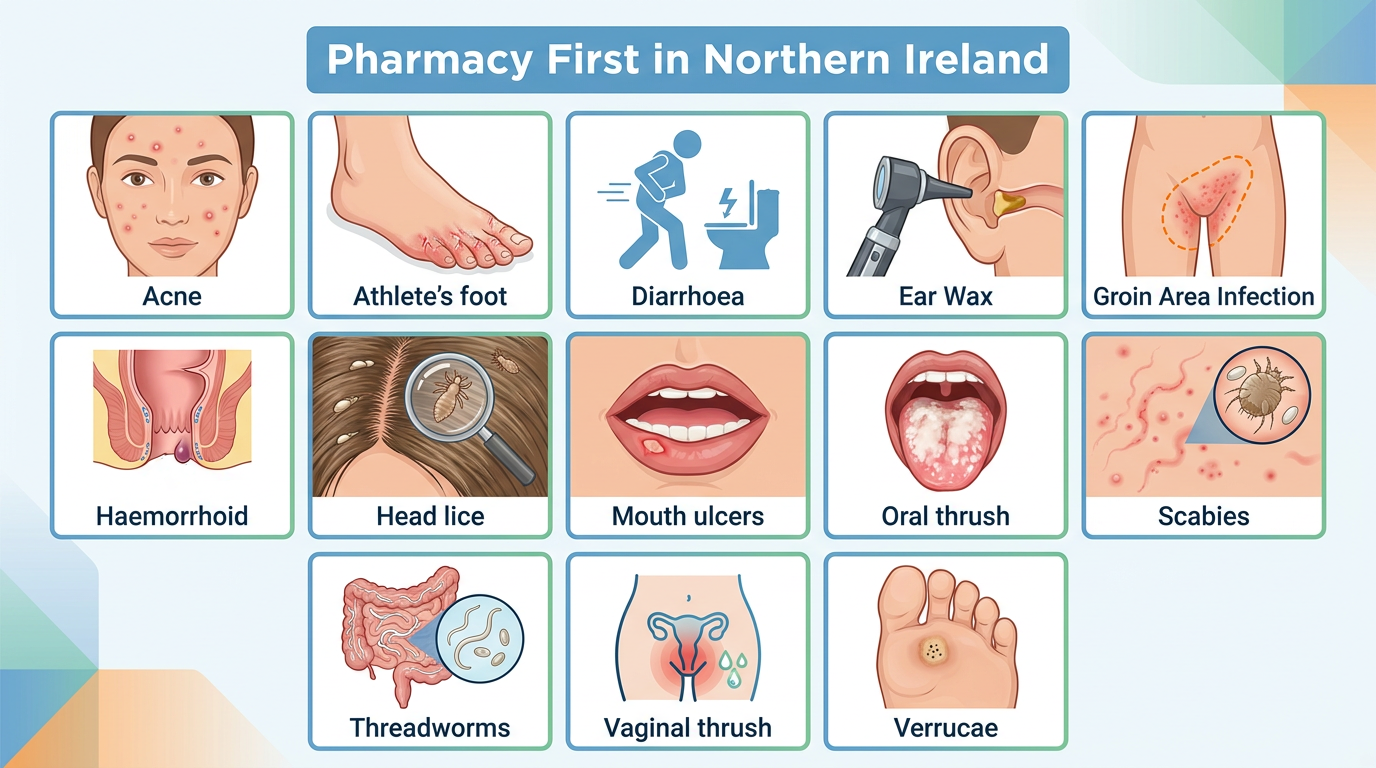
Figure 5. Scope of Pharmacy First in Northern Ireland. (Adapted from Health and Social Care Business Services Organisation) [12]
Community Pharmacy Contributions to Public Health
The availability of vaccination services within the UK community pharmacies represents a decade-long strategic expansion of primary care capacity. Nationally commissioned by the NHS as an "Advanced Service" since 2015, the program initially focused on adult influenza vaccinations to relieve winter pressures on general practitioners [13]. The pharmacy operational agility was demonstrated during the COVID-19 pandemic, during which over 1,500 community pharmacies were integrated into the national network, administering more than 22 million doses in a single year.
Building on the success, the clinical scope has expanded beyond seasonal influenza vaccine such as respiratory syncytial virus (RSV) vaccine, and travel health vaccines. This established infrastructure demonstrates how a community pharmacy can be systematically transformed into one of the accessible components of overall preventative healthcare strategy.
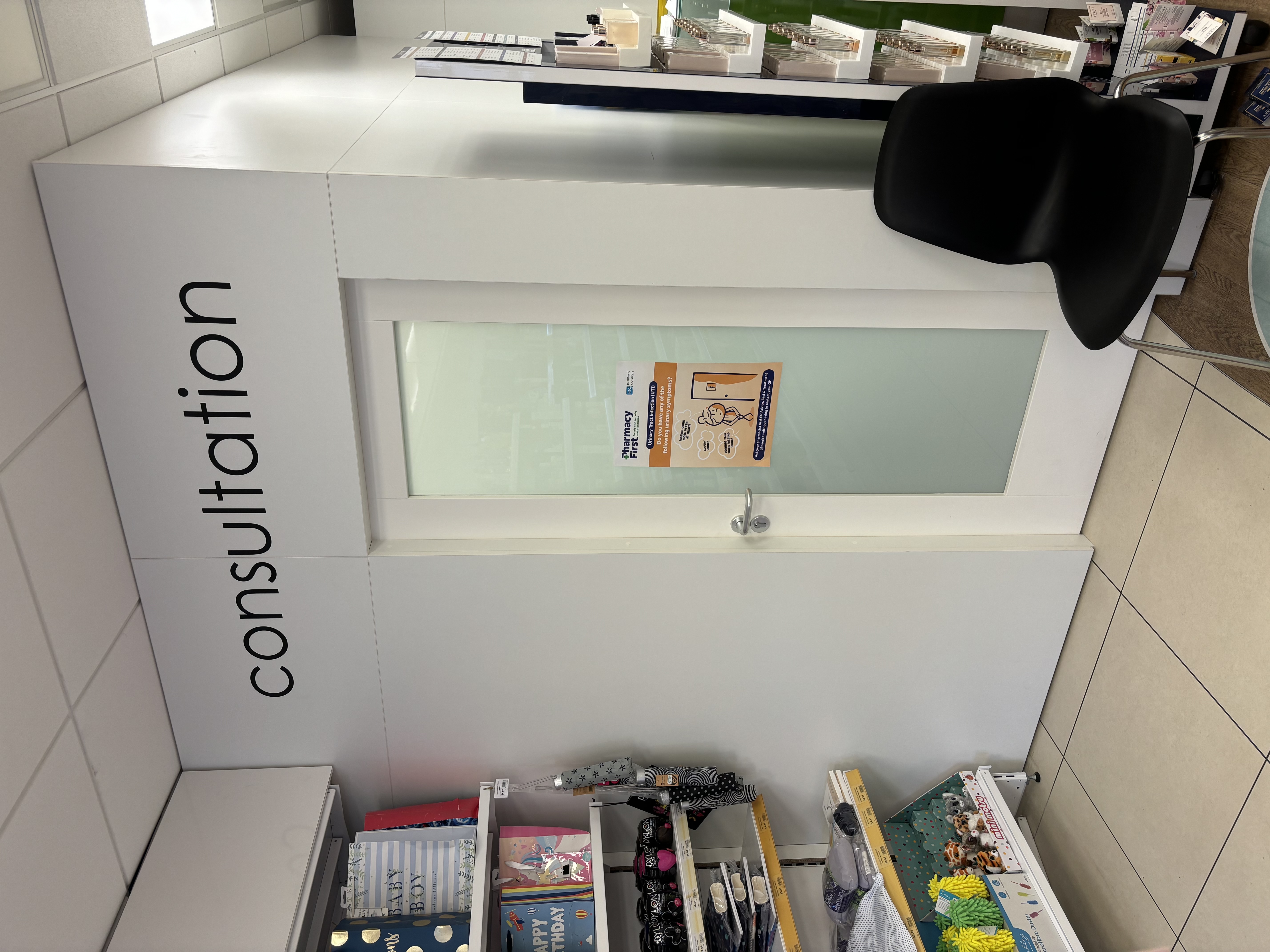
Figure 6.Consultation room is available in community pharmacy for vaccination service to support public health initiative.
Advanced Pharmacy Practice
The integration of advanced pharmacy practice including independent prescribing represents a definitive evolution in professional practice within the UK. Prescribing pharmacists are legally authorised to assume full responsibility for clinical assessment, diagnosis, and the formulation of clinical management plans, including the initiation, adjustment, or discontinuation of prescription-only medicines. Historically, independent prescribing was restricted to a post-registration credentialing route, requiring experienced pharmacists to complete additional postgraduate training. However, reflecting a monumental shift in national healthcare policy, the GPhC implemented structural changes to pharmacy education and pre-registration training standards. Consequently, newly qualified pharmacists joining the register in 2026 automatically qualify as independent prescribers from day one [14].
In England, prescribing pharmacists working in Primary Care Networks and general practice surgeries leverage on their clinical autonomy to conduct structured medication reviews [15] (Figure 7). Prescribing pharmacists utilise their clinical autonomy to comprehensively evaluate patients with complex multi-morbidity and polypharmacy, optimising regimens, resolving drug-related problems, and directly addressing medication safety. The primary benefits include significantly enhanced patient access to timely medication management, streamlined chronic disease pathways (e.g. hypertension, diabetes mellitus, and chronic respiratory diseases), and a reduction in general practitioner’s overwhelming workloads.
While independent prescribing warrants further exploration in Hong Kong, the underlying clinical competencies of primary care model offer practical lessons. Drawing insights on how UK prescribing pharmacists function within multidisciplinary primary care teams, Hong Kong can investigate and adapt these core competencies such as advanced clinical assessment and structured medication reviews into collaborative chronic disease management frameworks. Pharmacists are well-positioned to be empowered through structured collaborative protocols to monitor chronic diseases, screen for drug-related problems, and provide ongoing medication management in tandem with family doctors. This approach applies advanced clinical skills safely within a shared care team, allowing community pharmacists to become trusted, capable partners who actively help relieve the burden of chronic disease care. Given that community-based clinical frameworks are still evolving locally, foundational infrastructure such as dedicated private consultation spaces, interoperable electronic health record systems and sustainable financial models must be systematically established before these expanded clinical services can be reliably and meaningfully scaled across the sector.
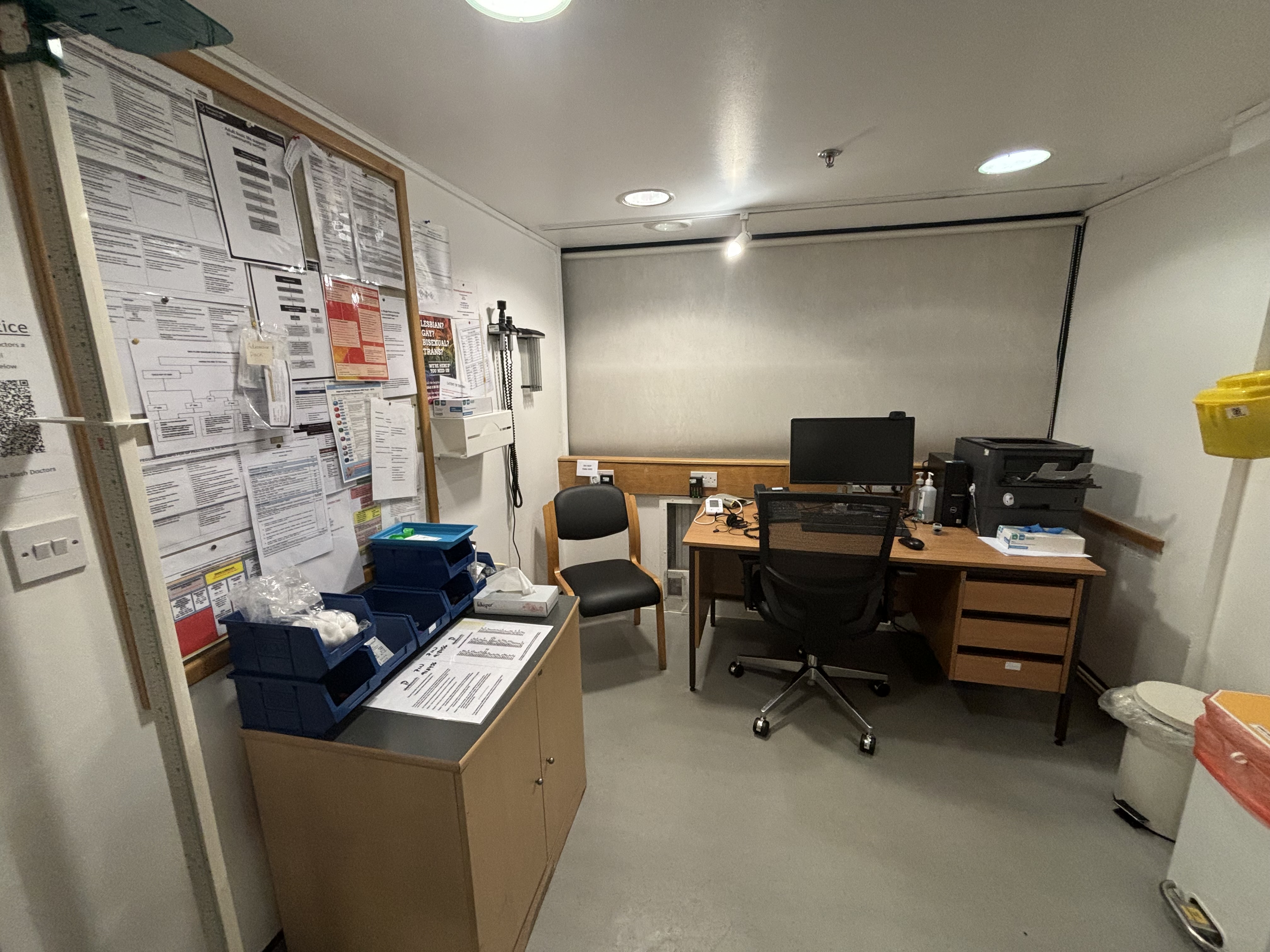
Figure 7. General practice setting where clinical pharmacists work alongside general practitioners within primary care clinics.
CONCLUSION
This article synthesises observations and insights from a three-week Primary Care Pharmacy Fellowship Scheme conducted in London and Belfast in October 2025, coordinated by King’s College London and Queen’s University Belfast. The fellowship evaluated advanced practice models, operational frameworks, and clinical empowerment strategies across urban and regional healthcare facilities.
The UK model demonstrates that transforming community pharmacies into vital clinical hubs requires both operational enablers and structured clinical services frameworks. By aligning these lessons with local initiatives and government policy, Hong Kong can continuously foster interprofessional teamwork, and build a sustainable, prevention-centric primary care system.
Acknowledgements
The Hong Kong delegation in the Primary Care Pharmacy Fellowship Scheme extends their sincere gratitude to all who made this transformative journey possible. We are especially thankful to the Hong Kong Jockey Club Charities Trust for their generous funding and strategic guidance in advancing primary care pharmacy through this scheme.
We also wish to express our deep appreciation to the team at King's College London and Queen's University Belfast, whose generous hospitality, expert guidance, and thoughtful coordination created a rich and inspiring learning environment throughout our visit.
References
- Health Bureau, Government of the Hong Kong Special Administrative Region. Primary Healthcare Blueprint Supplement [Internet]. Hong Kong: Health Bureau; 2022 [cited 2026 Jul 21]. Available from: https://www.primaryhealthcare.gov.hk/bp/cms-assets/Primary_Healthcare_Blueprint_Supplement_Perfect_Binding_Eng_291a55714a.pdf
- LEE TKH, CHEUNG GD, LAW KK, LEE MT, WONG IC. Introduction to Jockey Club PHARM+ Community Medication Service Network Project. HKPJ. 2024;31(3):68.
- NHS England. Community pharmacy contractual framework [Internet]. [cited 2026 Jul 21]. Available from: https://www.england.nhs.uk/primary-care/pharmacy/community-pharmacy-contractual-framework/
- Community Pharmacy England. Original pack dispensing [Internet]. [cited 2026 Jul 21]. Available from: https://cpe.org.uk/dispensing-and-supply/prescription-processing/original-pack-dispensing/
- Community Pharmacy England. Hub and spoke dispensing [Internet]. [cited 2026 Jul 21]. Available from: https://cpe.org.uk/quality-and-regulations/hub-spoke-opd-supervision/hub-spoke/
- NHS Digital. Electronic Prescription Service (EPS) [Internet]. [cited 2026 Jul 21]. Available from: https://digital.nhs.uk/services/electronic-prescription-service
- General Pharmaceutical Council. Revalidation renewal [Internet]. [cited 2026 Jul 21]. Available from: https://www.pharmacyregulation.org/pharmacists/revalidation-renewal
- Pharmaceutical Society of Northern Ireland. Continuing Professional Development (CPD) [Internet]. [cited 2026 Jul 24]. Available from: https://psni.org.uk/cpd/
- Northern Ireland Centre for Pharmacy Learning and Development. Enhanced Pharmacy Practice Programme [Internet]. [cited 2026 Jul 21]. Available from: https://www.nicpld.org/courses/postreg-fp/plans.asp
- The Government of the Hong Kong Special Administrative Region. Primary Healthcare Commission announces Community Drug Formulary mechanism and Guidelines of Practice for Community Pharmacy to pave way for launch of Community Pharmacy Programme next year [Internet]. 2025 Oct 30 [cited 2026 Jul 21]. Available from: https://www.info.gov.hk/gia/general/202510/30/P2025103000223.htm
- Community Pharmacy England. Pharmacy First Service [Internet]. [cited 2026 Jul 21]. Available from: https://cpe.org.uk/national-pharmacy-services/advanced-services/pharmacy-first-service/
- Health and Social Care Business Services Organisation. Pharmacy First - Everyday Health Conditions [Internet]. [cited 2026 Jul 21]. Available from: https://bso.hscni.net/directorates/operations/family-practitioner-services/pharmacy/contractor-information/contractor-communications/hscb-services-and-guidance/pharmacy-first-service/pharmacy-first-everyday-health-conditions/
- Community Pharmacy England. NHS flu vaccination service [Internet]. [cited 2026 Jul 21]. Available from: https://cpe.org.uk/national-pharmacy-services/advanced-services/flu-vaccination-service/
- General Pharmaceutical Council. Advice for newly qualified pharmacists [Internet]. [cited 2026 Jul 21]. Available from: https://assets.pharmacyregulation.org/files/2026-06/Advice-for-newly-qualified-pharmacists-June-2026.pdf?VersionId=fB1eal.LM.W9p_Cy5wv4vmgBSfGJirVa
- Royal College of General Practitioners. Policy areas: Pharmacists in Primary Care Networks [Internet]. [cited 2026 Jul 21]. Available from: https://www.rcgp.org.uk/representing-you/policy-areas/pharmacists
Author’s Background
LEE, Tommy Ka-Ho is the Pharmacist at the Department of Pharmacology and Pharmacy, Li Ka Shing Faculty of Medicine, The University of Hong Kong. His email is tkhlee@hku.hk
LO, Leo Kin-yip is the Senior Pharmacist of PHARM+ St. James' Settlement Community Pharmacy, St. James’ Settlement. His email is leo.lo@sjs.org.hk
LEE, Marco Tsun is the Senior Pharmacist at the Department of Pharmacology and Pharmacy, Li Ka Shing Faculty of Medicine, The University of Hong Kong. His email is marcolt@hku.hk
LAW, Kitty Kit-Ki is the Pharmacist at the Department of Pharmacology and Pharmacy, Li Ka Shing Faculty of Medicine, The University of Hong Kong. Her email is kittylkk@hku.hk
CHEUNG, Gladys Daphne is the Pharmacist at the Department of Pharmacology and Pharmacy, Li Ka Shing Faculty of Medicine, The University of Hong Kong. Her email is gdcheung@hku.hk
WAN, Eric Yuk-Fai is the Associate Professor at the Department of Family Medicine and Primary Care and the Department of Pharmacology and Pharmacy, Li Ka Shing Faculty of Medicine, The University of Hong Kong. His email is yfwan@hku.hk
PATEL, Nilesh is the Reader in Clinical Pharmacy and Director of Clinical Pharmacy at Institute of Pharmaceutical Science, King’s College London. His email is nilesh.patel@kcl.ac.uk
HUGHES, Carmel is the Professor of Primary Care Pharmacy at Queen’s University Belfast, United Kingdom. Her email is c.hughes@qub.ac.uk
WONG, Ian Chi-Kei is the Professor at the Department of Pharmacology and Pharmacy, Li Ka Shing Faculty of Medicine, The University of Hong Kong. His email is wongick@hku.hk
