Anticholinergic Burden in Older Adults
CHAN, Yi-Ming
Department of Pharmacy, Queen Elizabeth Hospital, 30 Gascoigne Road, Kowloon, Hong Kong SAR, China
Drugs & Therapeutics
HKPharm J Volume 33, NO 2 May-Aug-2026 (2026-09-20): P.51
 Abstract
 Full Article
 Author's Information
 List of Reference
 Content
 Share
ABSTRACT
The use of medications with anticholinergic activity in older adults is not uncommon because of age-related physiological changes and multiple morbidities. Anticholinergic agents bind to muscarinic receptors located in central nervous system and peripheral effector organs, and may cause diversified adverse effects due to their wide distribution in human body. The older population is particularly susceptible to the anticholinergic adverse effects, which may lead to decrement in physical functioning, falls and fractures, acute delirium and chronic cognitive deficits. The cumulative effect of using multiple medications with anticholinergic properties is referred to as “Anticholinergic burden”. It is increasingly being recognised as potentially inappropriate in older adults that warrants medication review. This article discusses the pharmacology of anticholinergic agents and the associated central and peripheral adverse effects, tools to quantify anticholinergic burden and to minimize negative impact of anticholinergic effects in elderly.
INTRODUCTION
Medications with anticholinergic properties have been used for a variety of medical conditions, such as urinary incontinence, sleep disorders, motion sickness, depression and parkinsonism.(1) Use of anticholinergic drugs in the older population is not uncommon for symptomatic management of these medical problems that often occur in later life. However, their use has been associated with central adverse effects of cognitive impairment and functional decline, and thus denoted as potentially inappropriate for older adults. (1,2,3) Physicians often prescribe medicines based on the anticipated therapeutic benefits, for instance, the use of oxybutynin for urinary incontinence and paroxetine for depression, and might have overlooked the risk of cumulative anticholinergic effects. The cumulative exposure to medicines with anticholinergic properties is referred to as “anticholinergic burden”.(3) This article discusses the pharmacology of anticholinergic agents, methods to quantify the anticholinergic burden and to minimize anticholinergic adverse effects in elderly patients.
PHARMACOLOGY OF ANTICHOLINERGIC AGENTS
Anticholinergic drugs inhibit acetylcholine-mediated responses by competitively binding cholinergic receptors. There are two main types of cholinergic receptors – nicotinic and muscarinic receptors (Figure 1).(4) Nicotinic receptors are ligand-gated ion channels mainly located in skeletal muscles and autonomic ganglia. Muscarinic receptors are G-protein coupled receptors found in the central nervous system and peripheral autonomic effector cells innervated by postganglionic parasympathetic nerves, such as smooth muscles and cardiac muscles.4 Anticholinergic agents predominantly act on muscarinic receptors. Hence, the term “muscarinic receptor antagonist” would better describe the receptors involved and the clinical profile of the medications.(1,4)
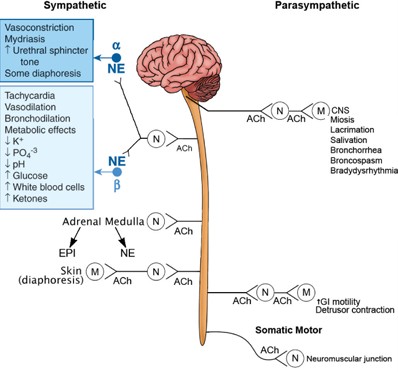
Figure 1: Diagram of the cholinergic nervous system
Acetylcholine (ACh) binds to various nicotinic receptors (N) in CNS, in sympathetic and parasympathetic ganglia, and the adrenal glands; also binds to various subtypes of muscarinic (M) receptors in the CNS and on effector organs innervated by postsynaptic parasympathetic neurons and to sweat glands.(5)
There are five subtypes of muscarinic receptors, namely M1 to M5. All five subtypes are expressed in human brain, with potential interplay between the excitatory (M1, M3, M5) and inhibitory (M2, M4) receptor subtypes.(1) As the predominant subtype involved in higher cognitive processes, the M1 receptor’s antagonism leads to impaired memory and learning processes. Muscarinic receptors are also involved in the modulation of neurotransmission: M2 receptors modulate acetylcholine homeostasis by pre-synaptic regulation of acetylcholine release, M4 and M5 receptors alter regulation of other neurotransmitters such as dopamine. In the periphery, expression of muscarinic receptors is organ specific. Some subtypes may co-exist but one dominant subtype mediates the primary physiological response. For instance, M2 in the heart lowers heart rate and slows conduction, whereas M3 in smooth muscles and exocrine glands stimulates muscle contraction and promotes secretion.(6) Most anticholinergic medicines are non-selective antimuscarinic agents, which bind all receptor subtypes and inhibit the cholinergic responses involved in the complex mechanisms of neurotransmission, autonomic regulation and cognitive functions.(1)
ANTICHOLINERGIC ADVERSE EFFECTS
Muscarinic receptors are located centrally in human brain and peripherally in effector organs such as the eyes, heart, lungs, gastrointestinal tract, genitourinary tracts and secretory glands.(4) The wide distribution leads to diversified clinical presentation of adverse effects. Peripheral side effects include mydriasis and blurred vision, decreased sweating, dry mouth, decreased peristalsis, constipation and increased bladder tone.(4) Anticholinergics that cross the blood-brain barrier induce central adverse effects, which could be acute delirium or chronic cognitive deficits. Delirium is frequently identified by disorientation, altered consciousness, disorganized thinking and fluctuating alertness, whereas chronic cognitive deficits can present as cognitive impairment in area of orientation, memory, attention and language, worsening dementia or new diagnosis of dementia.(2) Acute cognitive impairment is generally dose-dependent, related to a sudden surge in drug concentration and considered reversible on discontinuation of anticholinergic therapy; chronic cognitive decline is likely driven by duration-dependent, cumulative exposure over years that may induce pathological changes in the brain. (7,8) Reduced executive function, altered emotion and behavioral disturbance are also found to be related to central cholinergic inhibition.(1)
SENSITIVITY TO ANTICHOLINERGIC EFFECTS
The chronic negative impact of anticholinergic medicines on cognitive performance in elderly is often unrecognized and easily misinterpreted as a natural consequence of aging.(1) In fact, the older population is more susceptible to anticholinergic adverse effects due to declined cholinergic reserve caused by age-related decrease in cholinergic neurons or receptors in the brain, reduction in hepatic metabolism and renal excretion of drugs, and increased permeability of the blood-brain barrier to drugs secondary to epithelial shrinkage and the opening of tight junctions.(1,2,4) Apart from normal aging-related physiological changes, there is inter-individual variability in the susceptibility to central cholinergic blockade. Genetic polymorphism at receptor level, variability in cholinergic reserves and the extent of tolerance which could be developed after cumulative anticholinergic drug exposure are possible factors.(1) Evidences suggested that patients with Alzheimer’s disease are predisposed to increased vulnerability to central cholinergic antagonism due to impaired cholinergic neurotransmission resulted from neuron degeneration.(1) Patients with Alzheimer-type or vascular dementia appear to be more sensitive to central anticholinergic effects than age-matched controls.(1,9)
QUANTIFYING ANTICHOLINERGIC BURDEN
In vitro method and anticholinergic drug scales have been published in an attempt to assess the anticholinergic burden, to predict risk for central adverse effect and as a sensible approach to reduce negative cognitive impact of drug therapy in elderly.
Serum anticholinergic activity (SAA) is an in vitro measurement of the anticholinergic activity towards the muscarinic receptors of rat forebrain in an individual person’s serum.(1) It can potentially identify individuals with high anticholinergic load and hence at increased risk of adverse effects. It may also quantify and compare the anticholinergic activity of different drugs in the same therapeutic class, and provide evidences to choose between equally efficacious medications. Nevertheless, SAA is a measure of the peripheral anticholinergic activity in serum and may not reflect the level in the central nervous system. It cannot differentiate anticholinergic activity caused by drugs, endogenous substances or stress responses.(1) Furthermore, the complexity of testing procedure with inter-laboratory heterogeneity in assay standard limits the widespread acceptance of SAA as a bioassay for anticholinergic adverse effects.(1,2)
Anticholinergic drug scales are expert-opinion derived risk scales developed to quantify the anticholinergic burden. Variations exist between different scales and some of the well-recognized tools from the United States are described as examples in Table 1. The Anticholinergic Drug Scale (ADS) is the first scale developed based on expert consensus and available rating of in vitro anticholinergic activity of drugs. The Anticholinergic Cognitive Burden Scale (ACB) and Anticholinergic Risk Scale (ARS) are developed based on literature review of the drug’s anticholinergic potential.(1,3) The ACB assesses the cognitive impact of anticholinergic agents, whereas ARS evaluates the risk of both central and peripheral anticholinergic adverse effects as well as the affinity of the drug to the muscarinic receptors.(1,3) These scales rank the anticholinergic activity of medications in an ordinal fashion from 0 to 3, with 0 indicating no known anticholinergic activity and 3 signifying definite / high anticholinergic activity.(2,3) Some examples of medication with potential anticholinergic activity are tabulated in Table 2. The anticholinergic burden of an individual is determined by summation of each drug’s anticholinergic rating, which highlights that attention should be paid to the cumulative anticholinergic effects of all medicines taken by the patient instead of to individual drug score.
Table 1: Examples of expert opinion-based rating scales

Table 2: Examples of drugs with potential anticholinergic activity

Numerous studies have demonstrated correlation between anticholinergic burden and adverse outcomes in physical and cognitive function in older population. Mini-Mental State Examination (MMSE) is a 30-point screening tool used to assess global cognitive function, covering five core domains including orientation, memory, attention and calculation, language and visuospatial abilities.(14) Fox et al revealed an association between a total ACB score of 5 or higher with a MMSE score of 0.70 points lower in elderly aged over 65 than those without anticholinergic drug use. The use of definite anticholinergics or a ACB score of 4 or higher was found to have a decline in MMSE score of 0.33 point more than those without anticholinergics over 2 years.(15) Although the drop in score was a small incremental loss that might not be clinically meaningful on an individual basis, it was statistically significant at population level, signalling anticholinergic exposure pose a genuine increased risk of accelerated cognitive deterioration. An increase in mortality at the end of the 2-year follow-up period was also observed, suggesting a possible link, although evidence on mortality is limited from other studies.(15,16) Central and peripheral anticholinergic effects, in particular sedation, blurred vision and dizziness, can also affect mobility and functioning of elderly, contributing to an increased risk of falls and fractures.(8) Landi et al suggested that the use of anticholinergic drugs is associated with impaired physical performance and functional status after adjusting for age and comorbidities.(17) The validated anticholinergic drug scales hence provide guidance for which drug to be withdrawn in order to optimize drug therapy for older adults.
Nevertheless, it should be noted that the calculation of anticholinergic burden is based on the assumption that the anticholinergic activity of different drugs is linear and additive, which is unlikely in reality given that there may be synergistic or antagonistic effect on different muscarinic receptor subtypes or possible development of tolerance to anticholinergic effects.(1,3) The number and rating of the anticholinergic agents also vary among different scales, and there is no single “gold standard” to aid in conducting medication review.(3)
REDUCING ANTICHOLINERGIC BURDEN IN ELDERLY
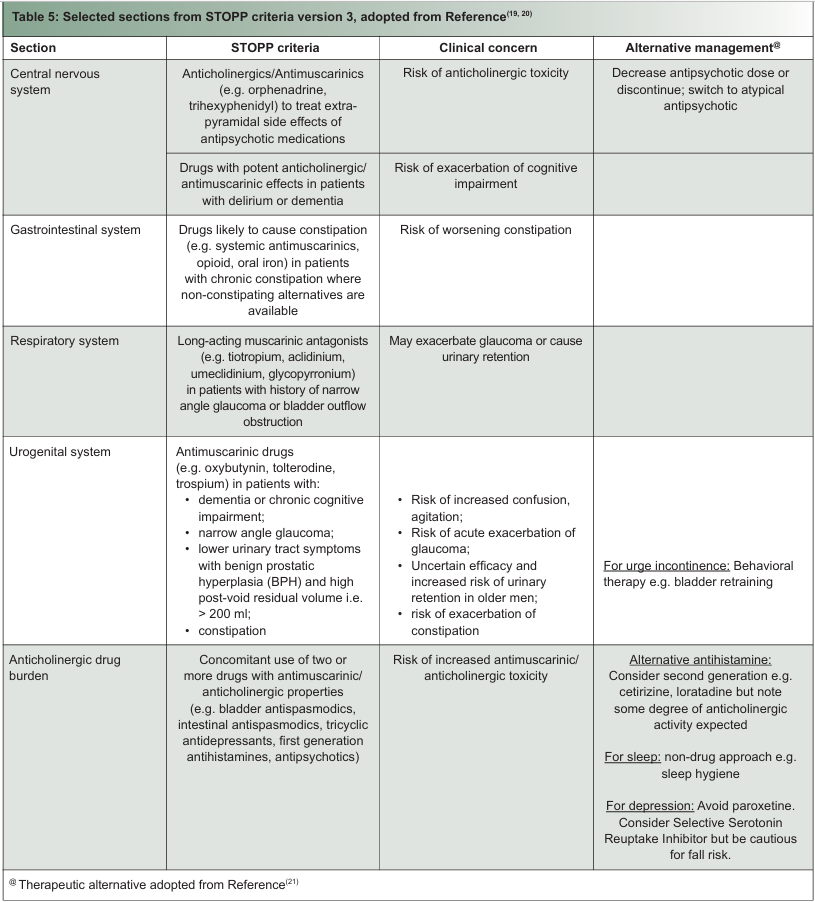
Regular medication review with consideration of anticholinergic burden is important in reducing the risk of anticholinergic adverse effects. The American Geriatrics Society (AGS) Beers Criteria and the Screening Tool of Older Persons’ Prescriptions (STOPP criteria) include explicit list of potentially inappropriate medications to be avoided in older adults aged 65 or above, and identify specific diseases or syndromes that can be exacerbated by these drugs.(18,19) Table 3 summarizes AGS explicit criteria involving medications with anticholinergic activities, the rationale for potential inappropriateness and expert panel recommendation with quality of evidence and strength of recommendation ratings. In particular, the rationale for anticholinergic drugs to avoid has been expanded in 2023 updates to recognize the risks associated with concurrent use, as compared with the 2019 criteria. Conditions that can be exacerbated by drugs with anticholinergic activity, due to drug-disease/syndrome interactions, are shown in Table 4. The STOPP criteria is the European counterpart designed to support identification of potentially inappropriate medications in older adults. Similar criteria that pinpoint concerns for drugs with anticholinergic/antimuscarinic effects are included, which are outlined in Table 5.
Table 3: Explicit criteria of drugs with anticholinergic activity, adopted from AGS Beers Criteria 2023 (18)
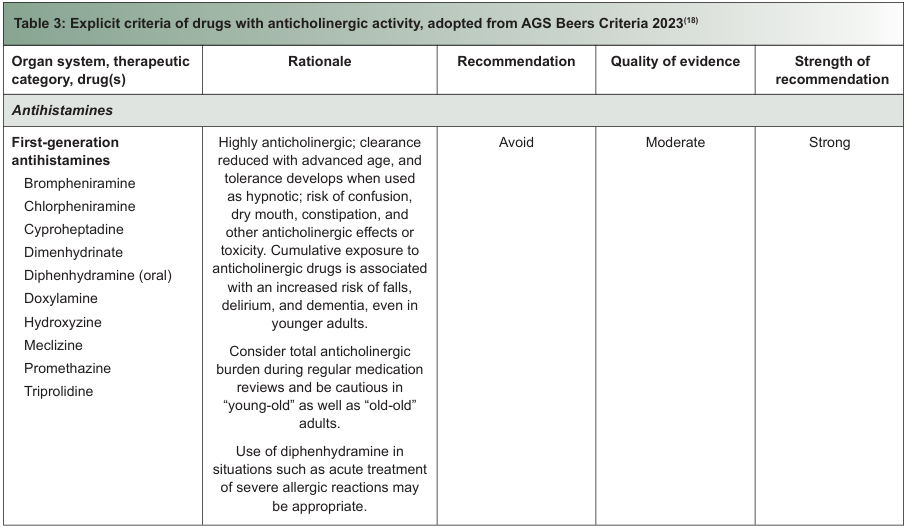
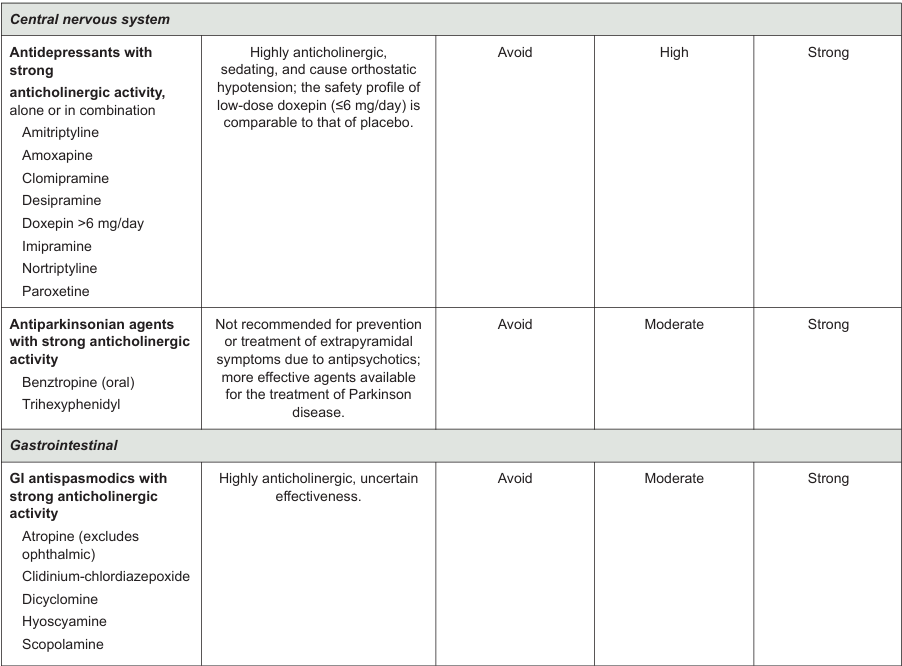
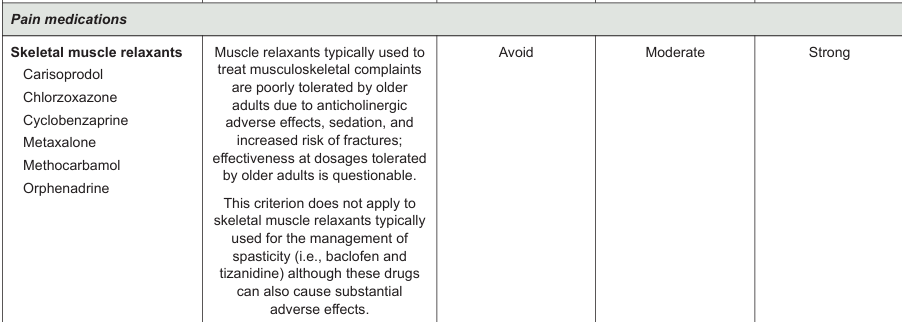
Table 4: Diseases and syndromes that can be exacerbated by drugs with anticholinergic activity, adopted from AGS Beers Criteria 2023 (18)
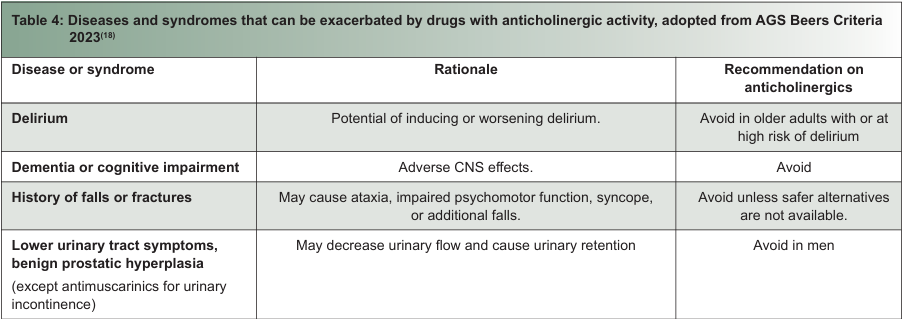
Table 5: Selected sections from STOPP criteria version 3, adopted from Reference (19, 20)
These tools could be applied in clinical practice to identify red flags that might require intervention. Medications listed are best to be avoided if a safer alternative or non-pharmacological approach is available. However, these tools are not meant to supersede clinical judgment or individual’s needs (such as in hospice and end-of-life care settings) and preference.(18) Medication review to optimize pharmacotherapy should always be individualized. Pharmacists providing geriatric pharmacy service at Queen Elizabeth Hospital often utilize the explicit criteria to assess appropriateness of medication use. The anticholinergic drug scales provide valuable reference to identify culprit drugs contributing to anticholinergic load. With additional aids of corporate list of Fall Risk Increasing Drugs in Hospital Authority and freely accessible online resources such as the ACB calculator, pharmacists can effectively screen regimens for potential risks, evaluate treatment options and collaborate with clinicians on tailored pharmaceutical care plans. (22,23)
CONCLUSION
The use of anticholinergic drugs is associated with impaired cognitive and physical function in older population, which can be acute or chronic in nature. Individuals who take multiple medications with low anticholinergic activity may also be at increased risk of adverse effects due to the cumulative anticholinergic burden. Regular medication review is recommended for every elderly patient. It could be challenging to balance the therapeutic effects and the adverse effects of anticholinergic medicines. Validated tools, such as the anticholinergic drug scales and criteria for potentially inappropriate medications, are available to provide guidance for assessment and optimization of drug therapy. Careful monitoring of adverse effects and regular review on the need of therapy should be conducted if the use of medicines with anticholinergic properties are deemed necessary.
Reference
- Kersten H, Wyller TB. (2014). Anticholinergic drug burden in older people's brain - how well is it measured? Basic & Clinical Pharmacology & Toxicology, 114(2):151-9.
- Campbell N et al. (2009). The cognitive impact of anticholinergics: a clinical review. Clinical Interventions in Aging, 4:225-33.
- Salahudeen MS et al. (2015). Anticholinergic burden quantified by anticholinergic risk scales and adverse outcomes in older people: a systematic review. BMC Geriatrics, 25;15:31.
- Persaud M and Holroyd-Leduc JM. (2014). Anticholinergic medications in the older adult: a hidden burden. Candian Geriatrics Society Journal of CME, Volume 4, Issue 2; 4-7.
- The Fundamental Principles of Medical Toxicology. In: Goldfrank's Toxicologic Emergencies. 11e, 2019. [Accessed 20th May 2025]
- Abrams P et al. (2006). Muscarinic receptors: their distribution and function in body systems, and the implications for treating overactive bladder. British Journal of Pharmacology, 148(5):565-78.
- Gray SL et al. (2015). Cumulative Use of Strong Anticholinergics and Incident Dementia: A Prospective Cohort Study. JAMA Internal Medicine,175(3):401–407.
- BPAC NZ Limited (2024). Anticholinergic burden in older people. Available from: https://bpac.org.nz/2024/anticholinergic.aspx#5 [Accessed 15th Apr 2025]
- Coupland CAC et al. (2019). Anticholinergic Drug Exposure and the Risk of Dementia: A Nested Case-Control Study. JAMA Internal Medicine, 179(8):1084–1093.
- Carnahan RM et al. (2006). The Anticholinergic Drug Scale as a measure of drug-related anticholinergic burden: associations with serum anticholinergic activity. Journal of Clinical Pharmacology, 46(12):1481–6.
- Rudolph JL et al. (2008). The anticholinergic risk scale and anticholinergic adverse effects in older persons. Archives of Internal Medicine, 168(5):508–13.
- Boustani M et al. (2008). Impact of anticholinergics on the aging brain: a review and practical application. Aging Health, 4(3):311–20.
- PL Detail-Document. (2011). Drugs with Anticholinergic Activity. Pharmacist’s Letter / Prescriber’s Letter. December 2011.
- Mendez MF. (2026). Mental status scales to evaluate cognition. UpToDate, DeKosky ST, Wilterdink JL (Ed), Wolters Kluwer. [Accessed 14th Aug 2026].
- Fox C et al. (2011). Anticholinergic medication use and cognitive impairment in the older population: the medical research council cognitive function and ageing study. Journal of the American Geriatrics Society, 59(8):1477-83.
- Fox C et al. (2014). Effect of medications with anti-cholinergic properties on cognitive function, delirium, physical function and mortality: a systematic review. Age and Ageing, 43(5): 604-615.
- Landi F et al. (2007). Anticholinergic drugs and physical function among frail elderly population. Clinical Pharmacology and Therapeutics, 81(2):235-41.
- The 2023 American Geriatrics Society Beers Criteria Update Expert Panel. (2023). American Geriatrics Society 2023 Updated AGS Beers Criteria for Potentially Inappropriate Medication Use in Older Adults. Journal of the American Geriatrics Society, 71(7):2052-2081.
- O'Mahony D et al. (2023). STOPP/START criteria for potentially inappropriate prescribing in older people: version 3. European Geriatric Medicine, 14:625-632.
- O'Mahony D et al. (2023). STOPP/START criteria for potentially inappropriate prescribing in older people: version 3. Supplementary data. Available from: https://static-content.springer.com/esm/art%3A10.1007%2Fs41999-023-00777-y/MediaObjects/41999_2023_777_MOESM1_ESM.pdf [Accessed 15th Apr 2025]
- PL Detail-Document. (2011). STARTing and STOPPing Medications in the Elderly. Pharmacist’s Letter/Prescriber’s Letter. September 2011.
- Chief Pharmacist’s Office, Hospital Authority. (2024) Fall Risk Increasing Drugs (FRIDs) Commonly Prescribed in Hospital Authority. Available from: http://cpo.home/Doc/Resources/Other%20useful%20information/Fall%20Risk%20Increasing%20Drugs%20Commonly%20Prescribed%20in%20HA.pdf [Accessed 14th Aug 2026]
- King R, Rabino S. ACB Calculator. http://www.acbcalc.com [Accessed 14th Aug 2026]
Questions for Pharmacy Continuing Education Program(2 CE Units)
- Which of the following terms best describe the pharmacology of anticholinergic drugs?
- Nicotinic receptor agonist
- Nicotinic receptor antagonist
- Muscarinic receptor agonist
- Muscarinic receptor antagonist
- Which of the following statements about muscarinic receptors is true?
- Muscarinic receptors are ligand-gated ion channels found in the central nervous system.
- Acetylcholine binds to muscarinic receptors in neuromuscular junction to control skeletal muscle contraction.
- M1 receptor is involved in higher cognitive processes such as memory and learning.
- Only excitatory M1, M3 and M5 receptors are expressed in human brain.
- Which of the followings is not a peripheral adverse effect of anticholinergics?
- Decreased salivation
- Miosis
- Urinary retention
- Constipation
- Which of the following factors may affect the susceptibility to anticholinergic adverse effects?
- Genetic polymorphism at receptor level
- Inter-individual variability in cholinergic reserves
- Extent of tolerance developed after cumulative exposure
- All of the above
- Which of the following statements is false regarding the susceptibility of elderly to anticholinergic adverse effects?
- Reduction in hepatic metabolism and renal excretion may increase drug exposure and adverse effects.
- Neuron degeneration impairs cholinergic neurotransmission and increases vulnerability to cognitive side effects.
- Opening of tight junctions decreases permeability of the blood-brain barrier and reduces peripheral adverse effects.
- Tolerance to adverse effects may develop after cumulative anticholinergic drug exposure.
- Which of the following statements is false regarding serum anticholinergic activity bioassay?
- It is an in vitro measurement of the anticholinergic activity towards the muscarinic receptors of rat forebrain in an individual’s serum.
- It measures the anticholinergic activity in the central nervous system.
- It cannot differentiate anticholinergic activity caused by medicines, endogenous substances or stress responses.
- There exists inter-laboratory heterogeneity in assay standard.
- Which of the following statements is true regarding anticholinergic drug scales?
- Drugs with rating “3” is considered exhibiting higher anticholinergic activity than drugs with rating “1” by expert opinion.
- Anticholinergic burden is determined by summation of each drug’s anticholinergic rating.
- Anticholinergic Drug Scale (ADS) by Carnahan et al has taken into account the in vitro anticholinergic activity of drugs and serves as the gold standard in calculating anticholinergic burden.
- (i) only
- (i) and (ii) only
- (i) and (iii) only
- (i), (ii) and (iii)
- Cumulative exposure to anticholinergic drugs is associated with:
- increased risk of falls
- potential of inducing or worsening delirium
- a decline in Mini-Mental State Examination score
- (i) only
- (ii) only
- (i) and (ii) only
- (i), (ii) and (iii)
- Which of the following statements is false?
- AGS Beers Criteria and STOPP criteria are explicit criteria which identify potentially inappropriate medications to be avoided in older adults aged 65 or above.
- Explicit criteria should be applied to adults 65 years old and older in all ambulatory, acute and institutionalized settings of care including hospice and end-of-life care settings.
- Total anticholinergic burden should be considered as concomitant use of drugs with anticholinergic properties increases the risk of anticholinergic toxicity.
- Non-pharmacological approach or safer alternatives should be considered to replace highly anticholinergic medicines.
- Which of the following statements is true when conducting medication review?
- Explicit criteria serve as a tool to identify red flags that might require intervention.
- Explicit criteria should not supersede clinical judgment or individual’s needs and preference.
- Anticholinergic burden should be assessed in patients at risk of anticholinergic adverse effects and attempt be made to optimize therapy with less anticholinergic activity.
- All of the above
Answers will be released in the next issue of HKPJ.
Answers for CE Questions for HKPJ Vol331(D&T)
Use of Aprocitentan and Spironolactone in Resistant Hypertension Management
- D 2. B 3. B 4. A 5. D 6. D 7. A 8. D 9. B 10. B
Author’s background
CHAN, Yi-Ming graduated from the School of Pharmacy of the Chinese University of Hong Kong. She is currently a pharmacist at the Queen Elizabeth Hospital. Her corresponding e-mail address is cym226@ha.org.hk.

